
How Gut Bacteria Influence Blood Sugar
The gut-blood sugar connection isn’t just wellness-trend talk — there’s real science behind it. When gut bacteria break down fiber, they produce short-chain fatty acids (SCFAs), compounds that help maintain the gut lining and calm the kind of low-grade inflammation that’s linked to insulin resistance. Research has also identified specific gut bacteria that, when boosted through diet, appear to support healthier blood sugar regulation in people with type 2 diabetes. A 2025 clinical trial went further, showing that gut microbiota composition correlates with broader metabolic markers, not just blood sugar readings after meals. None of this means your gut bacteria alone determine your blood sugar — but they’re clearly part of the picture.
Why the Same Meal Affects People Differently
One of the more surprising findings in this field is just how individual blood sugar responses really are. Two people can eat the exact same meal and see very different blood sugar spikes, and a meaningful part of that difference traces back to each person’s unique gut microbiome. Large nutrition studies have found that a high-carbohydrate diet affects gut bacteria in a highly person-specific way, which helps explain why generic advice like ‘avoid all carbs’ or ‘this food is bad for everyone’ oversimplifies a genuinely individual system. It also means there’s no single universal ‘microbiome diet’ that works identically for everyone — context and consistency over time matter more than any one meal.

What Actually Supports the Gut-Blood Sugar Connection
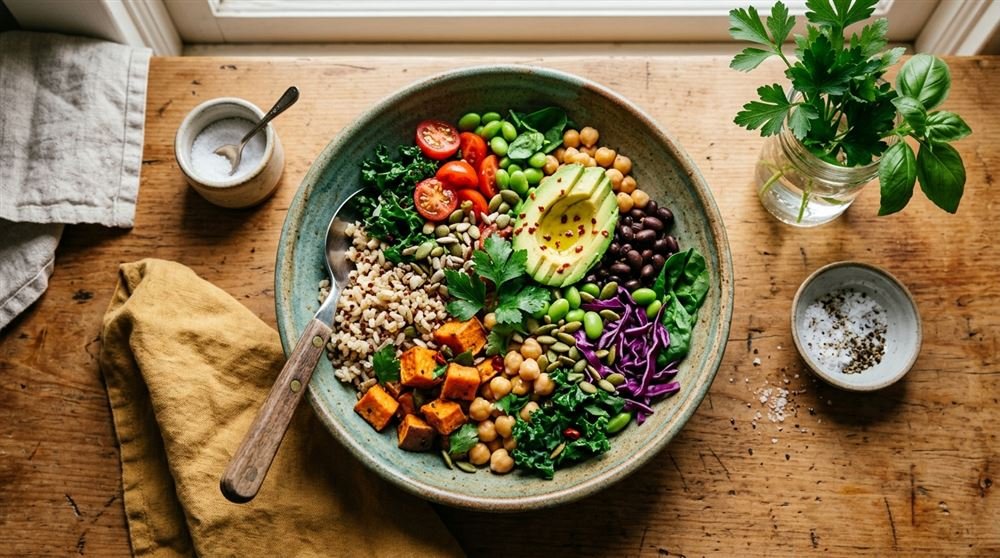
Even without personalized testing, a few evidence-backed habits consistently support both gut health and steadier blood sugar. A diverse mix of fiber sources — vegetables, legumes, whole grains, and fruit — feeds a wider range of beneficial bacteria than any single ‘superfood.’ Fermented foods like yogurt, kefir, and sauerkraut introduce beneficial microbes directly. And a short walk after eating is one of the simplest, best-studied ways to blunt a post-meal blood sugar spike, working through muscle glucose uptake independent of the gut entirely. Together, these habits reinforce each other rather than requiring an all-or-nothing overhaul. This is also why two people following the exact same ‘healthy’ meal plan can see genuinely different results on the scale or in their energy levels — their underlying gut ecosystems are processing that food differently, even before lifestyle factors like sleep and stress are considered.

The Takeaway
The gut microbiome and blood sugar are genuinely connected, but the relationship is more nuanced than ‘fix your gut, fix your blood sugar.’ Fiber diversity, fermented foods, and post-meal movement are simple, low-risk habits with real evidence behind them, while any product promising to ‘reset your microbiome’ overnight is overselling a system that changes gradually, over weeks and months of consistent habits. If you have specific concerns about blood sugar — family history, prediabetes, or persistent symptoms — a conversation with your doctor and appropriate testing remains the most reliable next step.
Free: The 2-Day Strength Plan for Adults Over 50
A simple 4-week, at-home routine: two short sessions a week, no gym required. Includes the CDC chair-stand test and a printable progress sheet.
You will also get our occasional research-based health emails. Unsubscribe anytime. See our Privacy Policy.
Sources: Science (gut bacteria and type 2 diabetes); Nature Communications; PMC gut microbiota and glucose metabolism reviews.
This article is for educational purposes only and is not a substitute for professional medical advice. Always consult your doctor before making changes to your diet, exercise, or supplement routine. Some links on this site may be affiliate links, meaning we may earn a small commission at no extra cost to you.