
What Actually Changes
Hormone decline after 50 gets talked about as one big, dramatic event, but the reality looks different depending on which hormone and which body you’re talking about. For women, estrogen and progesterone drop sharply over a relatively short window during the menopausal transition, which is why symptoms like hot flashes, sleep disruption, and mood changes can feel sudden and intense, according to Cleveland Clinic. For men, testosterone declines far more gradually — roughly 1% a year starting in the mid-to-late 30s, based on research summarized by the American Heart Association, with levels typically bottoming out around age 58 to 59. Thyroid hormone output can also shift with age in both sexes, and cortisol’s daily rhythm tends to become less sharply defined. None of this is identical across people, and none of it happens on the same timeline.

Separating Real Symptoms From Hype
Online content often treats every low-energy day or stubborn pound as proof of a hormone crisis, but the data tells a more measured story. Most older men still have testosterone levels within the standard range — only an estimated 10% to 25% are considered clinically low, per Mayo Clinic, and not everyone with lower levels has noticeable symptoms. When testosterone genuinely is low, the most specific signs are reduced sex drive or erectile difficulty, not vague fatigue or mood swings, which are just as often explained by poor sleep, stress, or other health conditions. Menopause is a clearer case: the hormone drop is sharp and the symptoms are well documented, so dismissing them as ‘just aging’ undersells something real. The honest takeaway is that some hormonal symptoms deserve real attention, while others get pinned on hormones when the actual cause is something more ordinary and fixable.
What Helps Regardless of the Cause
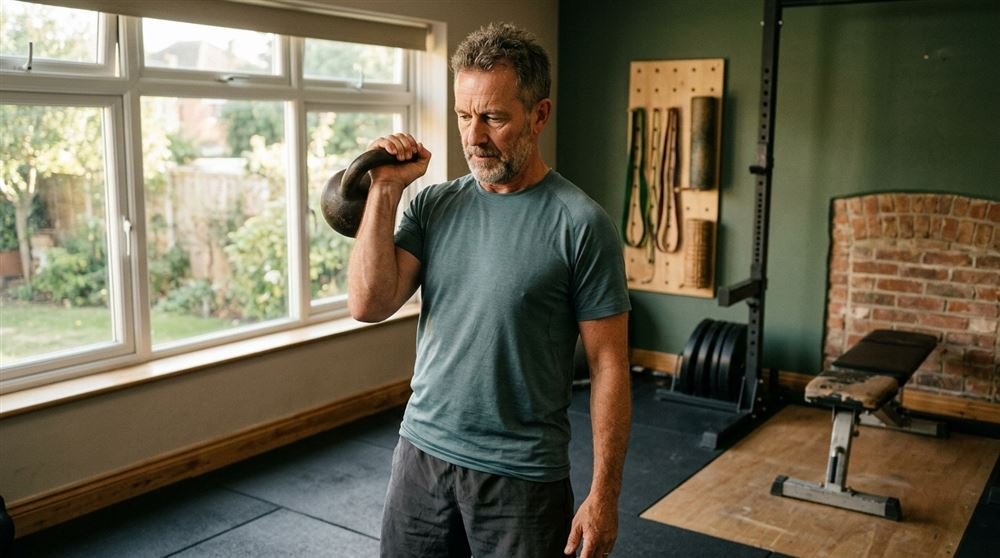
Whether a symptom traces back to hormones, sleep, stress, or simply getting older, the same foundational habits tend to help. Strength training helps preserve muscle mass and supports healthy testosterone and metabolic function as men and women age. Consistent, quality sleep supports nearly every hormone system in the body, including cortisol’s daily rhythm. Eating enough protein and whole foods supports energy and body composition regardless of exact hormone levels. And maintaining social connection and enjoyable daily routines — like cooking a meal with a partner or friend — supports the kind of stress regulation that indirectly protects hormonal balance over time. None of these require a prescription to start.

The Takeaway
Hormone decline after 50 is real, but it’s rarely the dramatic, all-explaining event it’s made out to be online. Menopause deserves to be taken seriously and discussed openly; gradual testosterone decline in men deserves the same honest, unhyped treatment. If you’re experiencing persistent, specific symptoms — not just an off week — a conversation with your doctor and, if appropriate, an actual lab test is far more useful than guessing based on a symptom checklist online. In the meantime, the basics of movement, sleep, food, and connection quietly do more for how you feel than most people expect.
Free: The 2-Day Strength Plan for Adults Over 50
A simple 4-week, at-home routine: two short sessions a week, no gym required. Includes the CDC chair-stand test and a printable progress sheet.
You will also get our occasional research-based health emails. Unsubscribe anytime. See our Privacy Policy.
Sources: Cleveland Clinic; American Heart Association; Mayo Clinic; MedlinePlus.
This article is for educational purposes only and is not a substitute for professional medical advice. Always consult your doctor before making changes to your diet, exercise, or supplement routine. Some links on this site may be affiliate links, meaning we may earn a small commission at no extra cost to you.